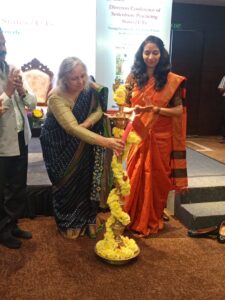
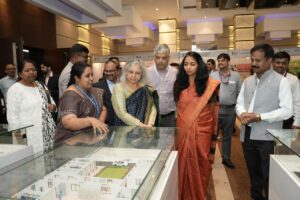
Bengaluru : In addition, senior officers, Directors of Sericulture from States/UTs, scientists, and key stakeholders of the silk sector participated in the conference. On the first day, the conference began with lightening of lamp by dignitaries followed by floral felicitations.
Shri P. Sivakumar, IFS, Member Secretary, Central Silk Board, set the context of the Directors’ Conference and presented an overview of the Indian silk industry, highlighting the integrated focus from seed to end product and initiatives under Silk Samagra-2.
Addressing the gathering, Ms. Padmini Singla, IAS, Joint Secretary (Silk), Ministry of Textiles, highlighted the importance of such conferences in facilitating inter-state knowledge sharing and experience exchange. She emphasized the need for improved monitoring systems, enhanced skilling initiatives and adoption of best practices to strengthen sericulture. She further noted that structural gaps in the sector must be addressed through appropriate manpower deployment and institutional strengthening.
Shri Girish R., IAS, Secretary, Department of Horticulture & Sericulture, Government of Karnataka, underlined that sericulture has long been an integral part of Karnataka’s rural economy. He stated that the sector has significantly empowered rural communities and noted Karnataka’s leadership in bivoltine silk production, producing high-quality cocoons. He pointed out that many sericulturists are earning substantial annual incomes, demonstrating the economic viability and potential of sericulture as a livelihood option.
Smt. Neelam Shami Rao, IAS, Secretary, Ministry of Textiles, Government of India, stressed that greater attention must now be given to the post-cocoon sector, particularly silk marketing, positioning and branding. She highlighted the importance of matching demand and supply, maintaining consistent quality standards, and strengthening testing mechanisms to build consumer trust. Emphasizing the value of Silk Mark authentication, she noted its role in enhancing the credibility and value of Indian silk in domestic and global markets. She also referred to recent initiatives such as the launch of Seri Tourism at Manasbal in Jammu & Kashmir and the national textile event Bharat Tex 2025. She observed that heat-mapping of sericulture clusters and districts reflects the wide geographical spread of sericulture across the country, surpassing several other natural fibre sectors.