Bengaluru : Entrepreneurship Development Institute of India (EDII), in collaboration with Accenture Solutions Private Limited, has shared significant impact of its Skills to Succeed – Micro Skillpreneurship Development Programme (MSDP) in its first phase of launch in 2015. The programme was launched with the vision to nurture micro-entrepreneurship among rural women and marginalised groups. The programme has empowered beneficiaries across 14 states and one Union Territory, creating enterprises in sectors ranging from food processing and textiles to agriculture and eco-friendly trades.
The MSDP equips participants with entrepreneurial skills, knowledge of government schemes, access to digital platforms, and exposure to sustainable trades. Unique in its design, the programme promotes 16 environment-friendly livelihood options like mushroom cultivation, upcycled textile products, sanitary napkin production, beekeeping, cow waste valorisation, and seaweed cultivation trades that ensure both income generation and environmental sustainability.
Marking significant milestones, the programme has developed standard operating procedures for multiple trades, rolled out capacity-building workshops in aspirational districts, and nurtured group enterprises led by women. Building on this momentum, EDII and Accenture have announced the next phase of the initiative—expanding MSDP into new districts and trades, placing a sharper focus on youth and women entrepreneurs, and forging collaborations with state governments, NGOs, and industry partners to scale its impact. To widen access, online training modules will soon be launched, while inspiring success stories from the field are being documented for national dissemination, ensuring that the voices of grassroots entrepreneurs reach a larger audience.
Reaching deep into rural India, the programme has been driving real impact at the grassroots. In 2024-25, 144 Micro Skill Development Programmes have benefited over 7,300 participants, while 838 groups have registered under the Udyam scheme and 32 enterprises have secured ZED certification. At the same time, 64 local food enterprises have met national safety standards through FSSAI certification, and 137 entrepreneurs have adopted digital payments via platforms such as PhonePe and Google Pay. With ₹8.1 lakh in loans disbursed to women-led ventures, enterprises are gaining the confidence to scale, while 339 artisans have applied for Artisan Cards to access welfare schemes. What stands out is the inclusivity—beneficiaries are not only rural women and youth, but also first-generation entrepreneurs, individuals with disabilities, SC/ST/OBC communities, and members of the LGBTQIA+ community—underscoring how enterprise can be a true equaliser.
Stories of Change: From Rameswaram to Assam
In Tamil Nadu’s coastal Rameswaram, Ms. Nambu Abirami transformed her life by turning seaweed into a source of economic independence. With MSDP’s training, she launched her own venture producing seaweed-based products. Her seaweed hair oil became a local favourite, raising her monthly income by 35% and enabling her to support her family’s livelihood.
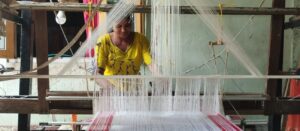
In Assam, Ms. Pakhila Das, a weaver from a traditional handloom family, overcame self-doubt through the programme. She launched Barbie Enterprise, blending traditional Mekhala Chadar weaving with modern designs and digital marketing. Today, she earns ₹15,000–20,000 monthly and mentors other women, proving how skill-building and community support can uplift entire villages.
With its focus on eco-friendly trades, digital empowerment, and inclusivity, MSDP stands out as a national model for rural entrepreneurship. By reaching marginalised groups, including 5,337 SC/ST/OBC beneficiaries and 22+ LGBTQIA+ participants, the programme underlines its commitment to equity and opportunity for all.